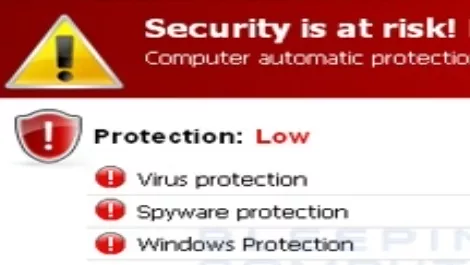
Microsoft New Zealand and NetSafe are warning home computer users of cold-calling technicians targeting New Zealanders with scams about computer viruses.
Horny New Zealanders taking part in naked online video chat sessions are being blackmailed, with Kiwis losing $4.4m last year due to internet scams.
NetSafe's Comic Creator revolutionises teaching cyber security to kids, making online safety lessons engaging with comic strips.
NetSafe urges ICT support against the growing threat of cyberbullying, highlighting a need for industry collaboration to combat digital harassment effectively.
Kiwis lose nearly $1m to cyber crimes as Netsafe reveals a surge in online scams and hacked accounts in New Zealand.
Facebook introduces feature allowing users to see who visits their group pages, sparking debates on privacy and potential changes in user behavior.
Cyberbullying is as real and as harmful as bullying in the real world, and online safety group NetSafe is taking steps to address the issue.
Ministry of Consumer Affairs will work with Department of Internal Affairs and NetSafe in fight against online fraud.
NetSafe warns New Zealanders of a growing cold calling scam where fraudsters impersonate IT support to plant malware or charge for fake fixes.
Recent incidents at an Auckland school spotlight the web's significant role in fuelling and publicising teenage conflicts, according to NetSafe.
NetSafe has launched a free Android app following Cyber Security Awareness Week, offering advice, quizzes, and quick cyber incident reporting to users.
Martin Cocker, executive director of NetSafe, says these simple steps will greatly improve Kiwis' online security.
Kiwis report losing over $750,000 to online scams in a year, revealing a fraction of a wider issue, according to NetSafe.
A computer virus scam has targeted nearly 30% of New Zealanders, conning one in 20 out of an average NZD $200 and potentially costing up to NZD $10 million.
Choosing the right anti-virus software can be daunting; experts explain how to balance between free and paid options to ensure online security.
NetSafe warns against Christchurch quake scam emails pretending to be from charity, advising public to be vigilant and report suspicious messages.
A cyber attack forced Lush to remove its NZ website after customer card details were leaked, raising concerns about our online safety and security practices.
The University of Auckland's IT exhibition saw strong interest from major firms, as students showcased projects tailored to business needs.
NetSafe launches The ORB, a new online reporting tool for New Zealanders to report cyber offences such as spam, fraud, and child exploitation easily.
Internal Affairs warns of a scam in which cold callers claim to fix non-existent computer issues, urging the public to stay vigilant and report incidents.