Emergency services stories
New Zealand regulator proposes rules to protect consumers during power cuts as country shifts to new telecom technologies.
The global wireless broadband in public safety market is set to reach $22.9bn by 2020, according to a new study.
Fire crews can now practise dangerous bushfire scenarios more safely and cheaply, without toxic foam or live flames, using virtual reality.
Neighbours were endangered and a wheelchair user trapped when a demolition error caused a gas leak and asbestos exposure risks.
Vertel and Beaconsim are partnering to bring advanced radio command and control simulators and communications training to Australia's emergency services.
Industries from ports to airports are set to gain safer, faster communications as a multimillion-dollar network rolls out nationwide.
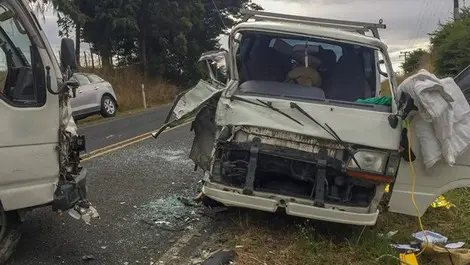
Unsecured tools in vans can turn deadly in a crash, with police and safety experts urging cargo barriers to protect drivers and passengers.
Residents near contaminated defence bases say barriers to free PFAS blood tests are leaving them in the dark about exposure risk.
Motorola signs AU$261m contract to upgrade radio networks for Victoria's first responders, extending existing deal.
Fujitsu has launched the first phase of a USD $17 million dispatch system for Tasmania Police, aiming to boost emergency response efficiency and safety.
Senior managers are being urged to tackle work-related road risk as new free guidance highlights safety, compliance and cost savings.
Poor connectivity and patchy health care are leaving 600,000 rural New Zealanders exposed, a health leader says.
Emergency crews will get a more precise mobile caller location in seconds, after New Zealand launched a new 111 tracing system.
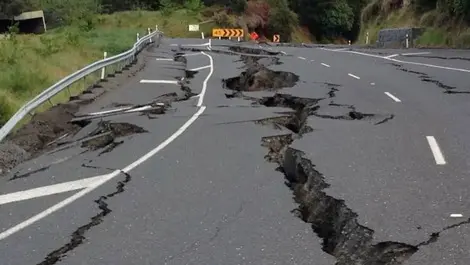
Quicker rescue efforts could save lives if broadcasters cite early fatality forecasts, a seismologist says after quakes are often undercounted.
As drones multiply in New Zealand, operators are increasingly seeking cover to protect against crashes, liability and legal action.
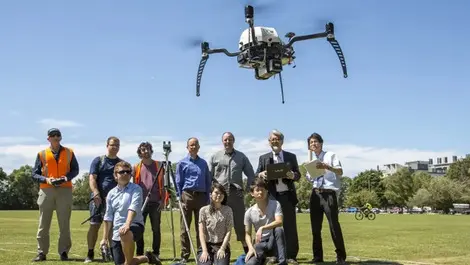
Following earthquakes and tsunamis, the drones could help rescue teams find trapped survivors faster and gather vital health data from body sensors.
The NZ Fire Service operates across the length of New Zealand including remote rural locations that do not have wide spread reliable mobile coverage.
With the accuracy of GPS, combined with the amount of data about users, using emergency location tracking for medical purposes seems obvious. Right?.
South Westland is set to benefit from a virtual medical receptionist – a new service offering greater access to booking general practice appointments.
An emergency 111 smartphone app is being developed in a joint venture between the Ministry of Business, Innovation and Employment and the NZ Police.